by Johnny | Jan 16, 2012 | Lifehacks, Management, Technology
You are what you tweet. How to work on your personal brand online, throught Fast Company. Using social networking to build your professional brand. I’m not sure if I’d follow the advice to “find five new people to follow or connect with every day”. That’s 1825 people a year, or 18250 over 10 years… that’s a lot of people to interact with…
http://www.fastcompany.com/1805231/u-r-what-u-tweet-5-steps-to-a-better-personal-brand
“Personal Brain” from The Brain company. Read good things about it. Trying it out, not seeing the benefits of it (yet).
http://www.thebrain.com/products/personalbrain/
by Johnny | Oct 10, 2011 | Business, Management, Marketing
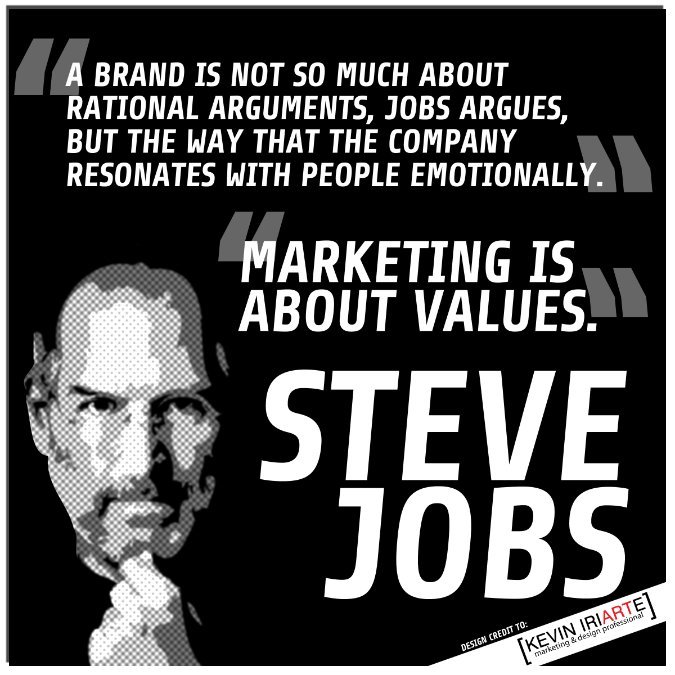
Next to the products, Steve Jobs also drove the marketing of Apple relentlessly forward.
Click here to read the article and see the presentation on how he talks about getting the company back on message, after he took the helm of the company again.
Once you’re done with that, check out Guy Kawasaki’s post on things he learned from Steve Jobs. It’s an interesting and thought provoking read. I especially like the first two: expert are clueless, and customers cannot tell you what they need.
by Johnny | Apr 7, 2011 | Lifehacks, Management, Thoughts
We may think we multitask, but in reality we switch-task, and it’s not doing us any good, according to an article at HBR.
- The author of the article stopped multitasking, and discovered six things:
- First, it was delightful.
- Second, he made significant progress on challenging projects.
- Third, his stress dropped dramatically.
- Fourth, he lost all patience for things he felt were not a good use of his time.
- Fifth, he had tremendous patience for things he felt were useful and enjoyable.
- Sixth, there was no downside.

Frustrated office work at his desk — Image by © Blue Jean Images/Corbis
by Johnny | Nov 23, 2010 | Business, Marketing, Thoughts
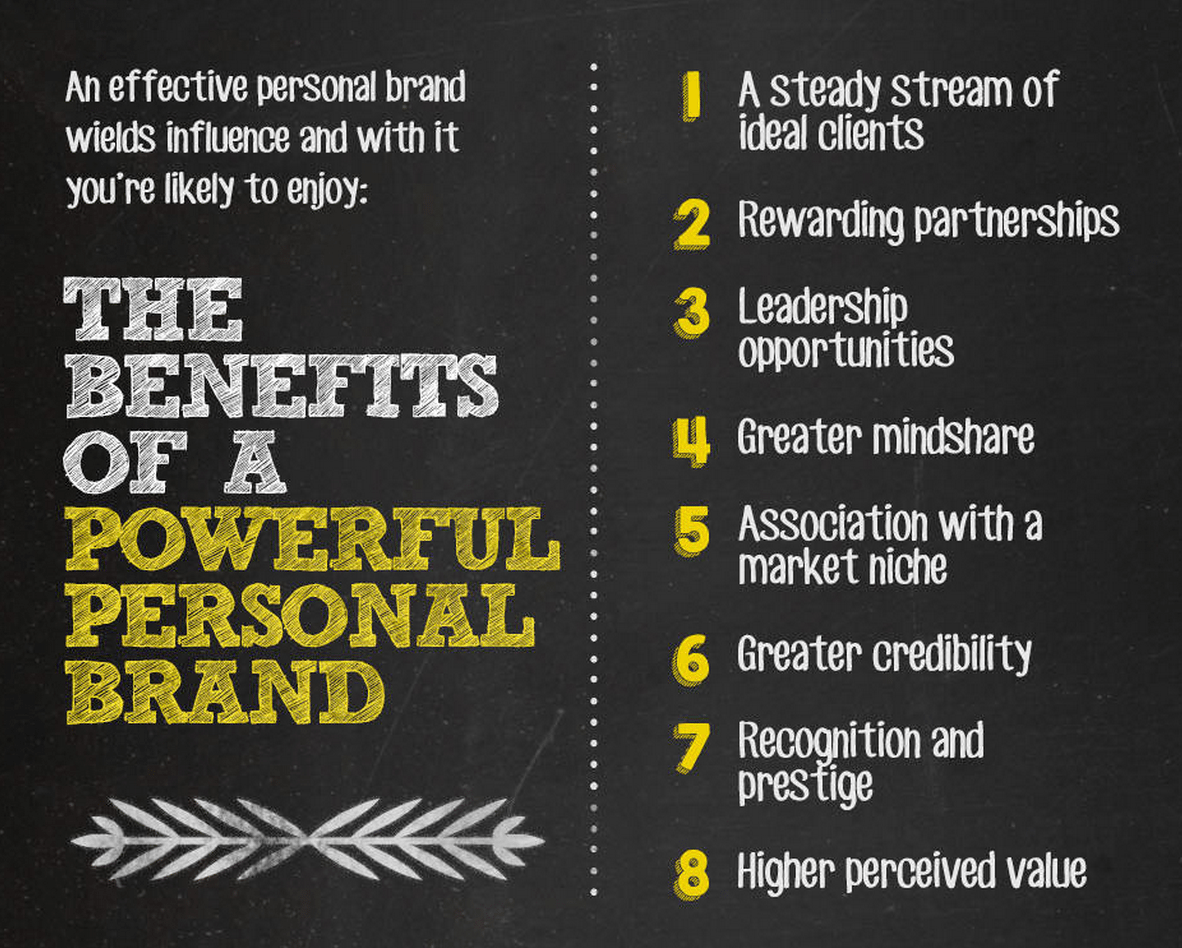
Harvard Business Review has an interesting article on personal social media strategies.
The first example in the article really drives it home. Even if you don’t have a social media strategy yourself, or are not active on social media, others that talk to you are, and they may quote whatever you say to them on twitter or in the blogosphere.
Thank about it next time you’re at a conference. Would you want your boss, co-workers or customers to read what you just said?

by Johnny | Nov 22, 2007 | Management, Marketing
The previous post on the Asoh defense led me to another real gem, the Abilene paradox.
Where I work, they have something called “disagree and commit“. It’s a good principle if it works, and when there is ample time to discuss, as this post explains. It tends to get a bit scary when the discussion bit is omitted (by fear of displeasing management or whatever the reason may be), and people end up with the Abilene paradox. This is a paradox in which a group of people collectively decide on a course of action that is counter to the preferences of any of the individuals in the group. It involves a common breakdown of group communication in which each member mistakenly believes that their own preferences are counter to the group’s and do not raise objections. Scary, isn’t it? The paradox is usually inllustrated by the below story:
“On a hot afternoon visiting in Coleman, Texas, the family is comfortably playing dominoes on a porch, until the father-in-law suggests that they take a trip to Abilene [53 miles north] for dinner. The wife says, “Sounds like a great idea.” The husband, despite having reservations because the drive is long and hot, thinks that his preferences must be out-of-step with the group and says, “Sounds good to me. I just hope your mother wants to go.” The mother-in-law then says, “Of course I want to go. I haven’t been to Abilene in a long time.”
The drive is hot, dusty, and long. When they arrive at the cafeteria, the food is as bad. They arrive back home four hours later, exhausted.
One of them dishonestly says, “It was a great trip, wasn’t it.” The mother-in-law says that, actually, she would rather have stayed home, but went along since the other three were so enthusiastic. The husband says, “I wasn’t delighted to be doing what we were doing. I only went to satisfy the rest of you.” The wife says, “I just went along to keep you happy. I would have had to be crazy to want to go out in the heat like that.” The father-in-law then says that he only suggested it because he thought the others might be bored.
The group sits back, perplexed that they together decided to take a trip which none of them wanted. They each would have preferred to sit comfortably, but did not admit to it when they still had time to enjoy the afternoon.”
Sounds familiar?
by Johnny | Aug 11, 2005 | Business, Marketing, Recommended reading
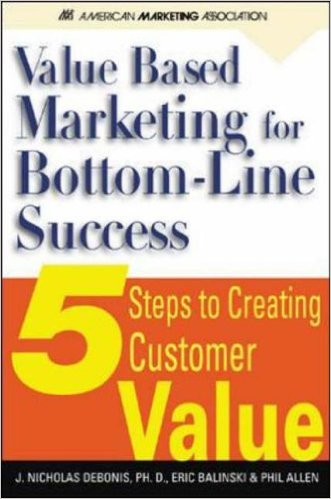
Value Based Marketing for Bottom Line Success: 5 Steps to Creating Customer Value (Nicholas, Debonis, Balinski, Allen)
Marketers get too caught up in selling features and competing on price. Because, when all is said and done, customers buy and and will pay well for value. To be successful in today’s marketplace, a company must integrate its traditional business functions to provide superior value to targeted customers. This means creating an offering that echoes in the customers’ consciousness. Why? Because the value provided serves customers best interests. Value Based Marketing for Bottom Line Success provides a 5-step model and critical tools necessary for creating and managing a successful Value Deliver
marketing strategy. Customers buy value, not product or features. They buy from the company that provides the most value. And they buy what’s in their best interest.

Recent Comments