Five years later…
Posted this in 2006.. Not much seems to have improved. The way of the future indeed.

Posted this in 2006.. Not much seems to have improved. The way of the future indeed.
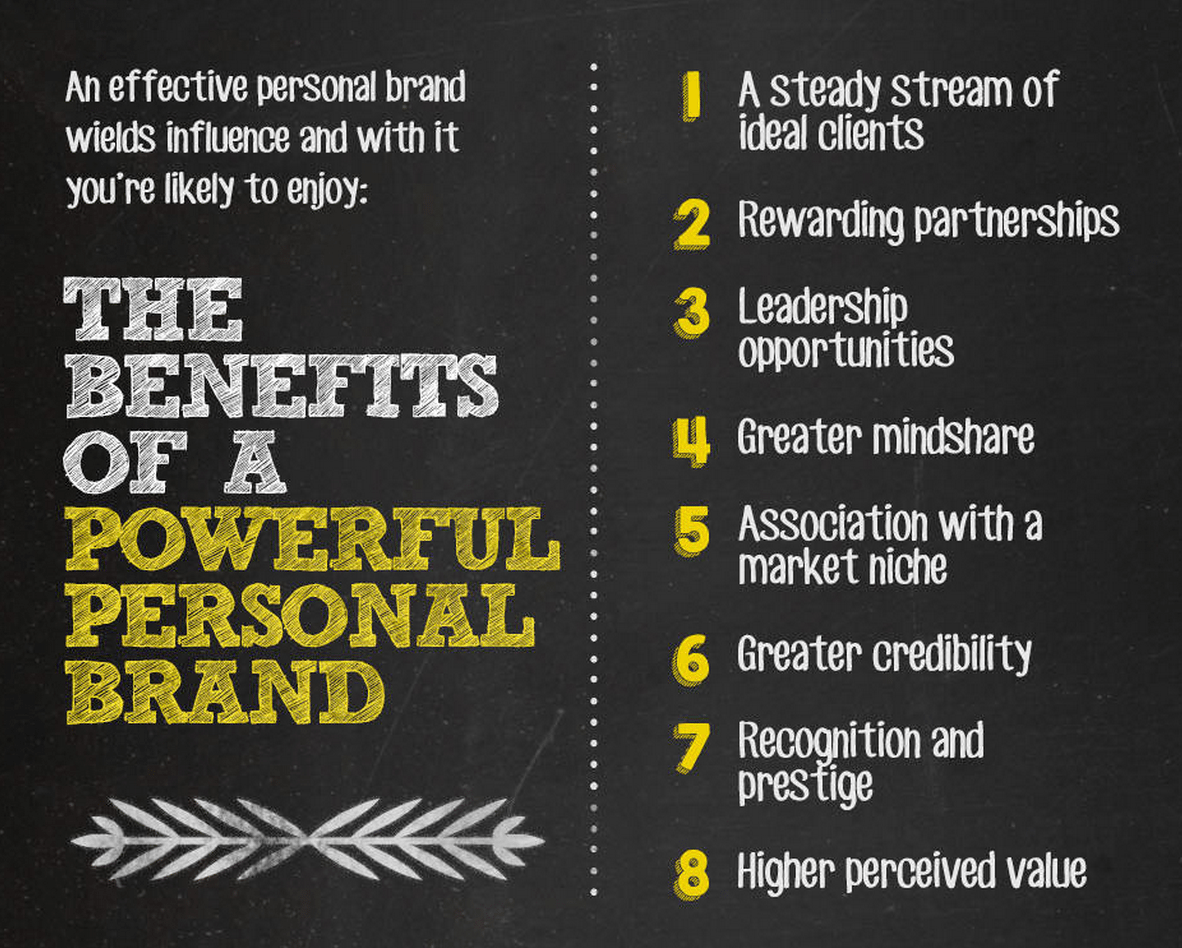
Harvard Business Review has an interesting article on personal social media strategies.
The first example in the article really drives it home. Even if you don’t have a social media strategy yourself, or are not active on social media, others that talk to you are, and they may quote whatever you say to them on twitter or in the blogosphere.
Thank about it next time you’re at a conference. Would you want your boss, co-workers or customers to read what you just said?

For years, I’ve lived a double life.
In the day, I do my job – I ride the bus, roll up my sleeves with the hoi-polloi.
But at night, I live a life of exhilaration, of missed heartbeats and adrenalin.
And, if the truth be known, a life of dubious virtue.
I won’t deny it – I’ve been engaged in violence, even indulged in it.
I’ve maimed and killed adversaries, and not merely in self-defence.
I’ve exhibited disregard for life, limb and property, and savoured every moment.
You may not think it, to look of me, but I have commanded armies, and conquered worlds.
And though in achieving these things I’ve set morality aside, I have no regrets.
For though I’ve led a double life, at least I can say – I’ve lived.
Yes, it’s the immortal PlayStation ad. Check it out on YouTube and look here for some analysis of it.
The previous post on the Asoh defense led me to another real gem, the Abilene paradox.
Where I work, they have something called “disagree and commit“. It’s a good principle if it works, and when there is ample time to discuss, as this post explains. It tends to get a bit scary when the discussion bit is omitted (by fear of displeasing management or whatever the reason may be), and people end up with the Abilene paradox. This is a paradox in which a group of people collectively decide on a course of action that is counter to the preferences of any of the individuals in the group. It involves a common breakdown of group communication in which each member mistakenly believes that their own preferences are counter to the group’s and do not raise objections. Scary, isn’t it? The paradox is usually inllustrated by the below story:
“On a hot afternoon visiting in Coleman, Texas, the family is comfortably playing dominoes on a porch, until the father-in-law suggests that they take a trip to Abilene [53 miles north] for dinner. The wife says, “Sounds like a great idea.” The husband, despite having reservations because the drive is long and hot, thinks that his preferences must be out-of-step with the group and says, “Sounds good to me. I just hope your mother wants to go.” The mother-in-law then says, “Of course I want to go. I haven’t been to Abilene in a long time.”
The drive is hot, dusty, and long. When they arrive at the cafeteria, the food is as bad. They arrive back home four hours later, exhausted.
One of them dishonestly says, “It was a great trip, wasn’t it.” The mother-in-law says that, actually, she would rather have stayed home, but went along since the other three were so enthusiastic. The husband says, “I wasn’t delighted to be doing what we were doing. I only went to satisfy the rest of you.” The wife says, “I just went along to keep you happy. I would have had to be crazy to want to go out in the heat like that.” The father-in-law then says that he only suggested it because he thought the others might be bored.
The group sits back, perplexed that they together decided to take a trip which none of them wanted. They each would have preferred to sit comfortably, but did not admit to it when they still had time to enjoy the afternoon.”
Sounds familiar?
The Asoh Defense is real simple:
If at first you don’t succeed … just admit it. “Yup, my fault, I f***ed up.“
Not something you ever really here in the corporate world, do you?
Click here for the story behind the Asoh defense.
The part where they link it to the organizations really hits home. In a lot of a corporate cultures, the reality is more that of “crime and punishment”; something goes wrong and the great game of “Scape Goat” starts where everyone runs and hides while trying to find someone to be “it”.
Through MetaFilter.

The Elephant and the Flea (Charles Handy)
The Elephant and the Flea is both a poignant personal memoir and a deep reflection on the past and future of world capitalism, with all its possibilities and pitfalls. In a tone that is at once learned, genial, witty, and wise, Handy takes us on his life’s journey, looking back to his childhood and education and how they prepared (or, rather, did not prepare) him for a career in business, the changing nature of organizational life within the context of the old economy and the new, the great variety of capitalism around the world, and through it all, his struggle to find meaning and fulfillment in work. Handy uses the quirky, powerful metaphor of the elephant and the flea to describe vividly and critique the great shift from the prevalence of behemoth, slow-moving, bureaucratic organizations that provided a lifetime of security and not much freedom or room for creativity, to a world in which we are much more independent and flea-like, flitting from job to job, latching onto elephants when we need to, but mostly flying solo and without a net.
Recent Comments